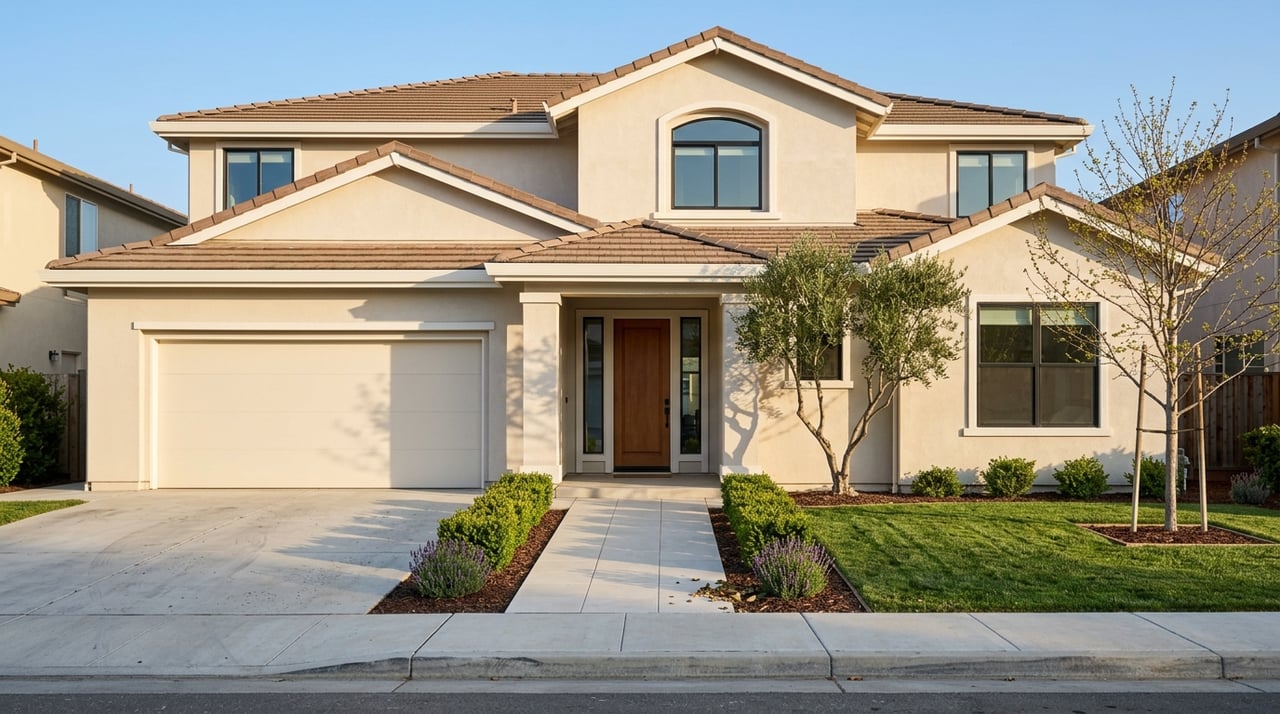
Thinking about leaving Bay Area prices and pace behind, but not sure what daily life in Vacaville actually feels like? That question comes up a lot when you want more space, a different routine, or a home search that feels a little more doable without giving up access to major job centers. If you are considering a move to Vacaville from the Bay Area, this guide will help you understand what to expect with housing, commuting, errands, and lifestyle so you can make a smart next move. Let’s dive in.
Vacaville at a Glance
Vacaville is a Solano County city of a little over 100,000 residents spread across nearly 27 square miles. It sits roughly between Sacramento and San Francisco, which is a big reason many Bay Area movers put it on their shortlist.
In practical terms, Vacaville often feels more suburban and more car-oriented than many Bay Area cities. You are trading density for room to spread out, easier day-to-day driving, and a wider range of housing types and lot sizes.
Housing Costs in Vacaville
For many Bay Area buyers, housing is the first reason to take a serious look at Vacaville. Current price benchmarks place the market in the low-to-mid $600,000s, though the exact number varies by source and timing.
Zillow reported an average home value of $608,239 as of March 31, 2026. Redfin reported a March 2026 median sale price of $628,165, and Census QuickFacts shows a 2020 through 2024 median value of owner-occupied housing units at $620,900.
If you are renting before you buy, or comparing the cost of owning versus leasing, those numbers matter too. Census QuickFacts lists median monthly owner costs of $2,796 with a mortgage and a median gross rent of $2,299.
What Those Numbers Mean for Bay Area Movers
If you are coming from a higher-cost Bay Area market, Vacaville may offer a different value equation. Your budget may stretch into a larger home, a different neighborhood setting, or more outdoor space than you are used to seeing closer to the urban core.
That said, Vacaville is not a bargain-basement market. It is best to think of it as a place where many buyers find a better balance between price, space, and location within the Bay Area to Sacramento corridor.
Lot Sizes and Home Styles Vary More Than You May Expect
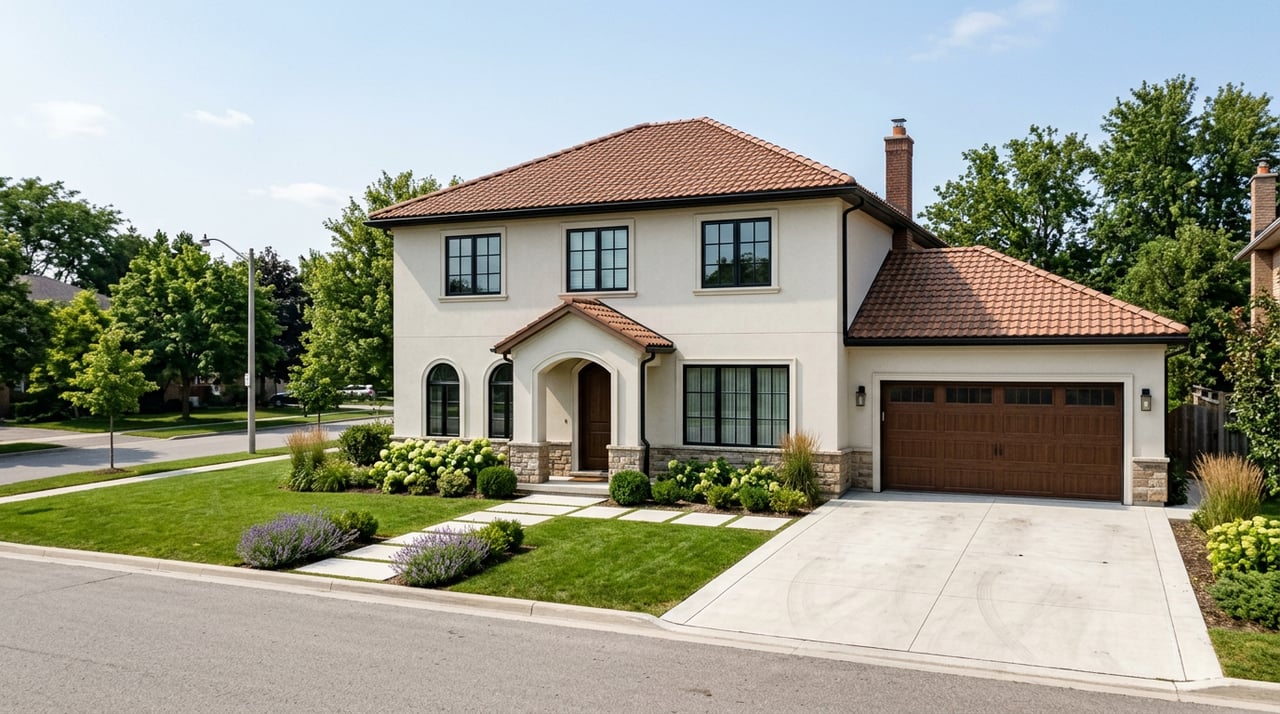
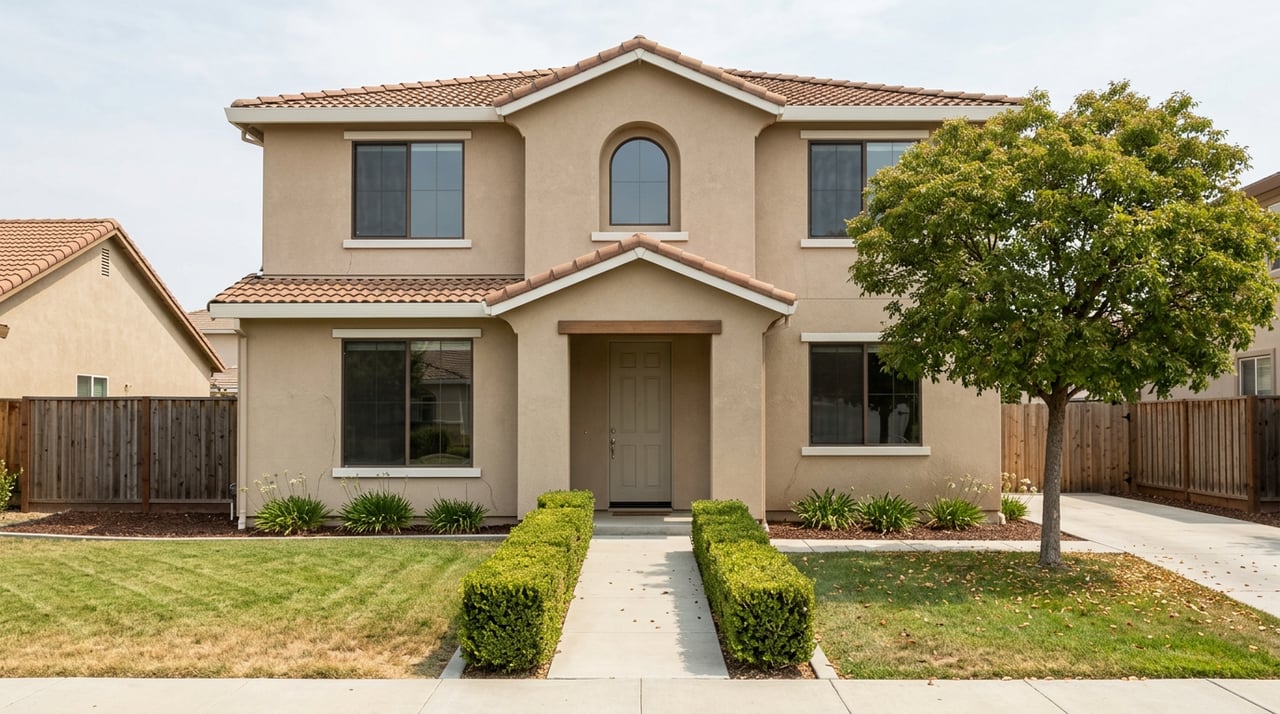
One of the biggest surprises for Bay Area movers is that lot size in Vacaville is not one-size-fits-all. You can find newer subdivisions with more compact lots, but you can also find areas with noticeably larger parcels depending on the zoning and location.
For example, the city-approved Farmstead at North Orchard community has an average lot size of 3,700 square feet, with lots ranging from 3,300 to 6,049 square feet. The city’s zoning standards also include many low-density districts with minimums from 5,000 to 10,000 square feet, plus estate and rural districts that range from 20,000 square feet to one acre or more.
What to Expect on Your Home Search
This range matters because your search experience can feel very different from one part of Vacaville to another. Some homes will feel like newer, more compact suburban living, while others offer a larger-lot setup with more separation and outdoor flexibility.
If you are moving for more room, it helps to define what “space” means to you early. You may want a bigger backyard, a larger floor plan, or simply a less dense neighborhood pattern than what you have now.
Vacaville Is More Owner-Leaning
Vacaville has a more owner-leaning housing profile than a renter-heavy urban market. Census QuickFacts reports that 67.5 percent of housing units are owner-occupied, and the average household size is 2.81 persons.
That does not tell you everything about a city, but it does help frame the overall feel. In general, Vacaville tends to support a more rooted residential experience rather than a highly transient one.
Commuting Feels Different Here
If you are moving from the Bay Area, your transportation routine may be the biggest day-to-day adjustment. Vacaville is strongly highway-connected, and the city notes that its roadway system is accessed by 11 full or partial interchanges along I-80 and I-505.
That road access is one reason the city appeals to people who need regional mobility. You can reach other parts of Solano County, Sacramento, or Bay Area destinations by car, but your day will likely be built around driving more than walking or hopping on dense local transit.
Public Transit Exists, but It Supports a Car-Centered Routine
Vacaville does have public transportation, but it works more like a support system than a full substitute for driving. Vacaville City Coach operates five local fixed routes, with most beginning or ending at the Vacaville Transportation Center or downtown.
The system also includes ADA paratransit, City Coach Direct, and a taxi scrip program. Solano Express adds peak-period intercity service and offers connections to BART, the SF Bay Ferry, and Amtrak.
Rail Access Is Available, but Plan on Driving to It
If train access matters to you, the Fairfield-Vacaville Hannigan station is part of the picture. The station has 139 parking spaces, and a Capitol Corridor station access study described it as auto-dependent, with an estimated 92 percent of riders arriving by car.
That means rail can be useful, but it is generally not the same experience as living near a walk-up station in the inner Bay Area. For many households, a park-and-ride approach is the more realistic expectation.
Commute Time Expectations
Census QuickFacts lists Vacaville’s mean travel time to work at 28.2 minutes. Your personal commute will depend on where you work and how often you need to be on the road, but the bigger point is this: Vacaville usually works best when you are comfortable with a car-centered lifestyle.
Everyday Errands Are Easier Than You Might Think
A common concern with a suburban move is whether you will have to leave town for everything. In Vacaville, the answer is often no.
The city has two major everyday lifestyle anchors that help simplify routines: downtown Vacaville and Nut Tree Plaza. Together, they provide a mix of dining, shopping, events, and services that support day-to-day life close to home.
Downtown Vacaville Offers a Walkable Core
Downtown Vacaville is the city’s main walkable social area. It is known for restaurants and local boutiques, and it also hosts community events like a weekly farmers’ market, the Creekwalk Concert Series, Fourth of July celebrations, and Merriment on Main.
Even here, though, the lifestyle still reflects the city’s car-friendly setup. Downtown parking includes 12 public lots with a total of 853 spaces, which reinforces how driving and parking remain part of the normal routine.
Nut Tree Plaza Adds Retail Convenience
Nut Tree Plaza gives Vacaville a second major hub for shopping and dining. According to Visit Vacaville, it has more than 50 retail stores, dining options, a carousel, a railroad attraction, and a bus stop.
For Bay Area movers, that can be a practical plus. You can handle many everyday errands, casual outings, and family activities without making a trip into a larger metro center.
Outdoor Access Is a Real Lifestyle Advantage
If you want more breathing room in your week, Vacaville’s outdoor options stand out. Lagoon Valley Park is a 306-acre city park with a 100-acre lake, walking paths, and miles of multi-use hiking, biking, and equestrian trails.
The city also lists a dog park, a 27-hole disc golf course, picnic areas, a jogging path, and access to adjoining open space. Additional trail access is available through places like Glen Eagle Open Space and Caligiuri Park and Preserve.
What This Means for Daily Life
For many Bay Area movers, outdoor access becomes part of the value of living here. You may find it easier to build park visits, walks, trail time, or casual outdoor weekends into your normal schedule.
That does not mean every neighborhood feels rural or remote. It means Vacaville offers a suburban setup with meaningful access to open space and recreation.
What Bay Area Movers Usually Notice First
Most people notice the change in rhythm right away. Vacaville tends to feel less dense, more spread out, and more geared toward driving, parking, and neighborhood-based living.
You may also notice that your housing options open up in different ways. Depending on your budget and priorities, you may be able to target more square footage, different lot sizes, or a lifestyle that feels less compressed than what you left behind.
Is Vacaville the Right Fit for You?
Vacaville can be a strong fit if you want a suburban environment with regional access, a broad mix of housing options, and enough retail, events, and parks to support everyday life locally. It may be especially appealing if your goal is to balance price, space, and convenience within the Bay Area and Sacramento corridor.
The key is going in with clear expectations. You are not moving into a dense transit-first city. You are moving into a car-centered Solano County market where housing, lifestyle, and outdoor access often feel more practical and spacious.
If you are weighing a move from the Bay Area to Vacaville, having local guidance can make the process a lot easier. Michael Hulsey and his team help buyers understand neighborhood differences, track available inventory quickly, and make confident decisions with clear, data-informed advice.
FAQs
What is the typical home price range in Vacaville for Bay Area movers?
- Current Vacaville price benchmarks are generally in the low-to-mid $600,000s, with reported figures including $608,239 average home value from Zillow and a $628,165 median sale price from Redfin in March 2026.
What should Bay Area buyers expect from lot sizes in Vacaville?
- Lot sizes vary quite a bit, from compact newer subdivision lots around 3,300 to 6,049 square feet to low-density, estate, and rural areas with minimums from 5,000 square feet up to one acre or more.
What is commuting from Vacaville like compared with the Bay Area?
- Vacaville is more car-centered, with strong highway access from I-80 and I-505, local bus service, commuter connections through Solano Express, and rail access that usually involves driving to the Fairfield-Vacaville Hannigan station.
What is daily life in Vacaville like for former Bay Area residents?
- Many people find that daily life feels more suburban and less dense, with convenient shopping and dining around downtown Vacaville and Nut Tree Plaza, plus strong access to parks, trails, and open space.
Is Vacaville more of a homeowner city or a renter city?
- Vacaville is more owner-leaning, with 67.5 percent of housing units reported as owner-occupied according to Census QuickFacts.